

Understanding Narcolepsy: Beyond Daytime Drowsiness
Narcolepsy is a chronic sleep disorder characterized by overwhelming daytime drowsiness and sudden attacks of sleep. But it’s more than just sleepiness; it’s a journey of navigating a world that doesn’t always understand the weight of drooping eyelids and the call of dreams during daylight. It’s about the courage to show up, even when your body is pulling you into the embrace of sleep.
Symptoms: The Multifaceted Manifestations
- Excessive Daytime Sleepiness (EDS): A persistent drowsiness that can lead to unintentional sleep episodes, even in the most unexpected situations.
- Cataplexy: A sudden, often unexpected, loss of muscle tone triggered by strong emotions. It’s the body’s way of expressing without words.
- Sleep Paralysis: Those moments between sleep and wakefulness where the body is still ensnared in the dream world, unable to move.
- Hallucinations: Vivid experiences that blur the lines between dreams and reality, often occurring at the cusp of sleep.
- Disrupted Nighttime Sleep: The irony of narcolepsy is that nighttime sleep can be as elusive as daytime wakefulness.
The Underlying Causes: Seeking Answers
While the exact cause remains shrouded in mystery, several factors are believed to play a role:
- Hypocretin Deficiency: This brain chemical, pivotal in regulating wakefulness and REM sleep, is often lacking in those with narcolepsy.
- Genetics: Sometimes, the answers lie in our DNA.
- Brain Injuries: Traumas that affect the parts of the brain responsible for REM sleep can be a trigger.
- Infections: Some infections might act as catalysts, awakening the dormant disorder in predisposed individuals.
- Immune System Dysfunctions: There’s a theory that narcolepsy might be an autoimmune condition, where the body, in trying to protect itself, inadvertently harms its own cells.
The Silent Strength of Notable Figures with Narcolepsy
Narcolepsy has touched the lives of several renowned individuals, shedding light on the universality of this condition:
- Jimmy Kimmel: Behind the laughter and light-hearted banter, Kimmel navigates the challenges of narcolepsy, using humor as both a shield and a coping mechanism.
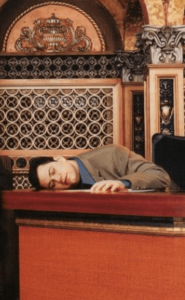
- Nastassja Kinski: The silver screen captured her grace, but behind the scenes, Kinski faced the unpredictability of sleep attacks, showcasing her unwavering resilience.
- Harriet Tubman: The legendary abolitionist’s visions, believed to be a manifestation of narcolepsy, became guiding lights in her mission, intertwining her condition with her legacy.
- Mike Birbiglia: Turning life into art, Birbiglia’s portrayal of his narcoleptic journey not only entertains but educates, bridging the gap between experience and understanding.
- Aaron Flanagan: A beacon in the classroom, Flanagan uses his condition as a teaching tool, turning challenges into lessons of strength and perseverance.
Navigating Life with Narcolepsy: Coping and Triumphing

- Medication: A cornerstone for many, medications help manage the most disruptive symptoms, allowing for a semblance of normalcy.
- Scheduled Naps: These brief respites can be rejuvenating, acting as reset buttons in the midst of chaotic days.
- Lifestyle Adjustments: From dietary changes to exercise, these tweaks can make a world of difference.
- Sleep Hygiene: Creating a sanctuary for sleep, free from distractions and conducive to rest, is paramount.
- Support Systems: Finding solace in shared experiences, support groups offer both understanding and practical coping strategies.
- Education and Advocacy: Knowledge is power, and advocating for oneself ensures that the world accommodates and empathizes.
The Ripple Effects: Life Impacts of Narcolepsy
The tendrils of narcolepsy extend into various facets of life, shaping experiences and interactions:
- Social Life: The unpredictability of sleep episodes can cast a shadow over social engagements, leading to anxiety or avoidance.
- Work and Education: The challenges of maintaining focus can necessitate accommodations, shaping career paths and educational experiences.
- Emotional Well-being: The weight of constant management can lead to feelings of isolation, necessitating emotional support and counseling.
- Relationships: Open communication becomes the bedrock of relationships, ensuring mutual understanding and support.
- Driving and Safety: The ever-present risk of sleep attacks necessitates constant evaluation of one’s ability to undertake certain activities, especially driving.
Narcolepsy, while challenging, is also a journey of profound strength, resilience, and self-awareness. It’s about showing up, even when the world blurs at the edges, and finding strength in vulnerability. It’s a testament to the human spirit’s ability to adapt, to find joy in the midst of challenges, and to carve out spaces of understanding in a world that often misunderstands. As we move forward, let’s champion the stories of those with narcolepsy, celebrating their journeys and ensuring that they, too, find their place in the sun.